Let's be honest — nobody gets excited about a urine test. There's no glamour in peeing into a cup. Compared to the drama of a blood draw, it feels like a test that exists just to fill up your prescription. But here's the thing: that humble little cup of pee is one of the most revealing health snapshots you can get, and it costs less than your morning dosa.
A urine routine and microscopy test can catch kidney disease, diabetes, urinary tract infections, liver problems, and dehydration — all from a sample that takes 30 seconds to produce. No needles. No fasting. No excuses.
What's Actually Being Checked?
When the lab analyses your urine, they're looking at three layers:
1. Physical Examination
- Colour: Pale yellow to amber is normal. Dark brown could indicate liver issues or severe dehydration. Red or pink? Blood — see your doctor immediately.
- Clarity: Normal urine is clear. Cloudy urine often means infection or high protein.
2. Chemical Examination (Dipstick)
- Protein: Protein in urine is a major red flag for kidney damage. Healthy kidneys don't leak protein. If your report says "Trace" or higher, your doctor will want a follow-up.
- Sugar (Glucose): Sugar in urine means your blood sugar is so high that your kidneys can't reabsorb it all. This is a strong indicator of uncontrolled diabetes.
- Ketones: These appear when your body burns fat instead of sugar for energy. Common in uncontrolled diabetes and extreme fasting/dieting.
- Bilirubin: Shouldn't be in urine. If present, it suggests liver disease or bile duct problems.
- Nitrites & Leukocyte Esterase: Both are markers of bacterial infection. If positive, you likely have a UTI.
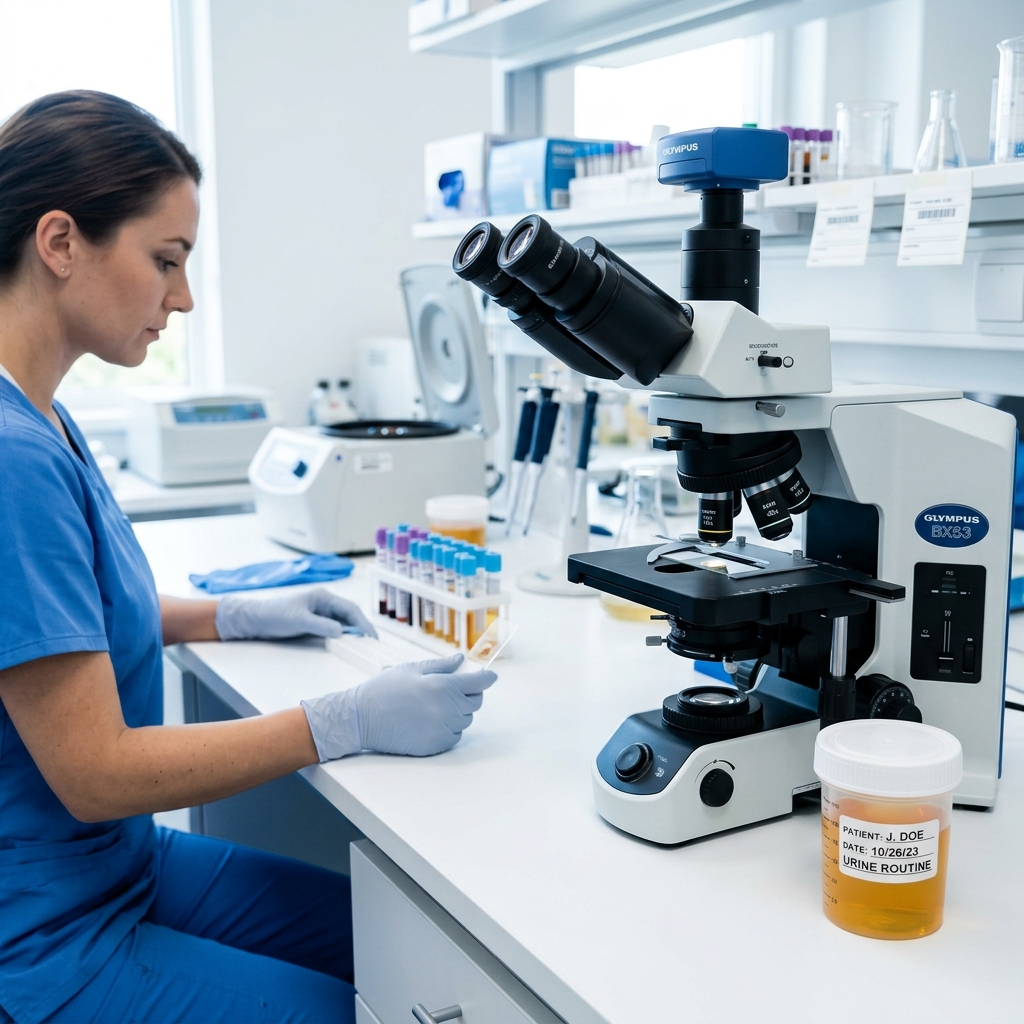
3. Microscopic Examination
- RBCs: Red blood cells in urine can indicate kidney stones, infections, or, in rare cases, bladder cancer.
- WBCs (Pus cells): High pus cells = infection, usually a UTI. Normal is 0-5 per high power field.
- Crystals: Certain crystal types indicate kidney stone risk.
- Casts: These are tiny tube-shaped proteins that form inside kidney tubules. Their presence often points to kidney disease.
When to Get a Urine Test
- Burning sensation while urinating (classic UTI sign — extremely common in Indian women)
- Increased frequency or urgency, especially at night
- Foul-smelling or unusually coloured urine
- Lower abdominal or back pain
- As part of any annual health checkup — it's the one test people always skip but shouldn't
- If you're diabetic — checking for protein leakage is essential
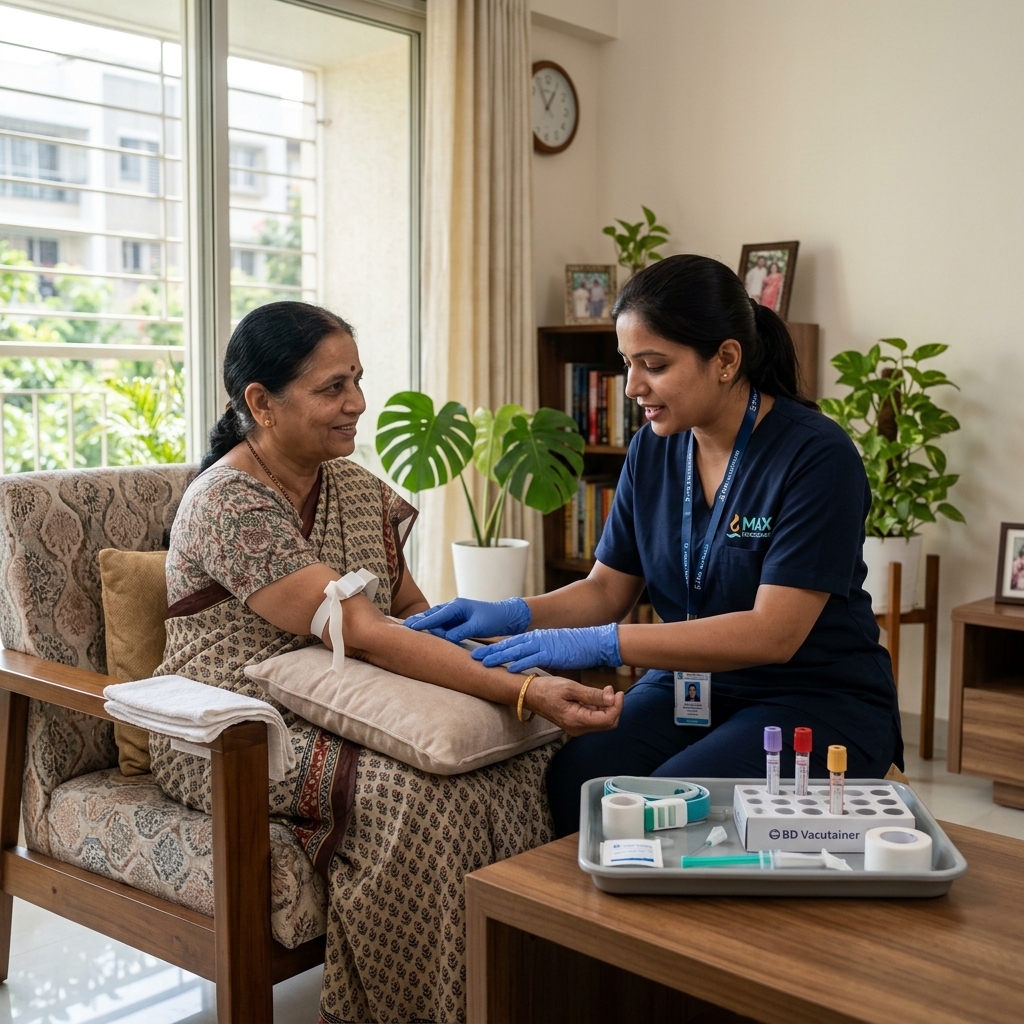
No needles, no fasting, no drama. BookMyPatho provides sterile collection containers delivered to your door, and our runner picks up the sample at your convenience. Results on your phone by evening. It's the easiest health test you'll ever take — so stop putting it off.