Here's a number that should terrify every Indian family: 136 million. That's how many Indians are currently pre-diabetic — their blood sugar is elevated enough to cause slow, silent damage, but not quite high enough for a diabetes diagnosis. And the vast, overwhelming majority of them have absolutely no idea.
They feel fine. Their annual fasting sugar test says 99 mg/dL — technically "normal." They celebrate with a gulab jamun and move on with their lives. Meanwhile, their pancreas is already struggling, their insulin resistance is climbing, and a full Type 2 diabetes diagnosis is quietly counting down like a ticking clock.
The tragedy? Pre-diabetes is almost entirely reversible. But only if you catch it.
What Exactly Is Pre-Diabetes?
Think of it as the yellow traffic light before diabetes. Your body is starting to lose its ability to process sugar efficiently, but it hasn't completely broken down yet. The factory is struggling, but it's still operational.
| Test | Normal | Pre-Diabetic | Diabetic |
|---|---|---|---|
| Fasting Blood Sugar | Below 100 mg/dL | 100–125 mg/dL | 126+ mg/dL |
| HbA1c | Below 5.7% | 5.7–6.4% | 6.5%+ |
| Post-Meal Sugar (2hr) | Below 140 mg/dL | 140–199 mg/dL | 200+ mg/dL |
The Warning Signs You're Probably Blaming on Something Else
Pre-diabetes doesn't announce itself with dramatic symptoms. It whispers. Here's what it sounds like:
- The Post-Lunch Crash: That unbearable sleepiness 30-60 minutes after eating — especially after rice or roti — isn't normal. It's your body struggling to process the sugar spike.
- The Dark Patches: Dark, velvety patches on the back of your neck, armpits, or elbows. This is called Acanthosis Nigricans, and it's one of the earliest visible signs of insulin resistance. Most people think it's just "dirt" and scrub harder. It's not dirt.
- The Belly That Won't Budge: Specifically, visceral belly fat that refuses to shrink despite exercise. Insulin resistance makes your body preferentially store fat around your organs.
- The Thirst and the Bathroom Trips: Drinking more water than usual and peeing more frequently — your kidneys are working overtime to flush excess sugar.
- The Slow Healing: Small cuts, scratches, or mosquito bites that take noticeably longer to heal than they used to.
Why Fasting Sugar Alone Is Dangerously Misleading
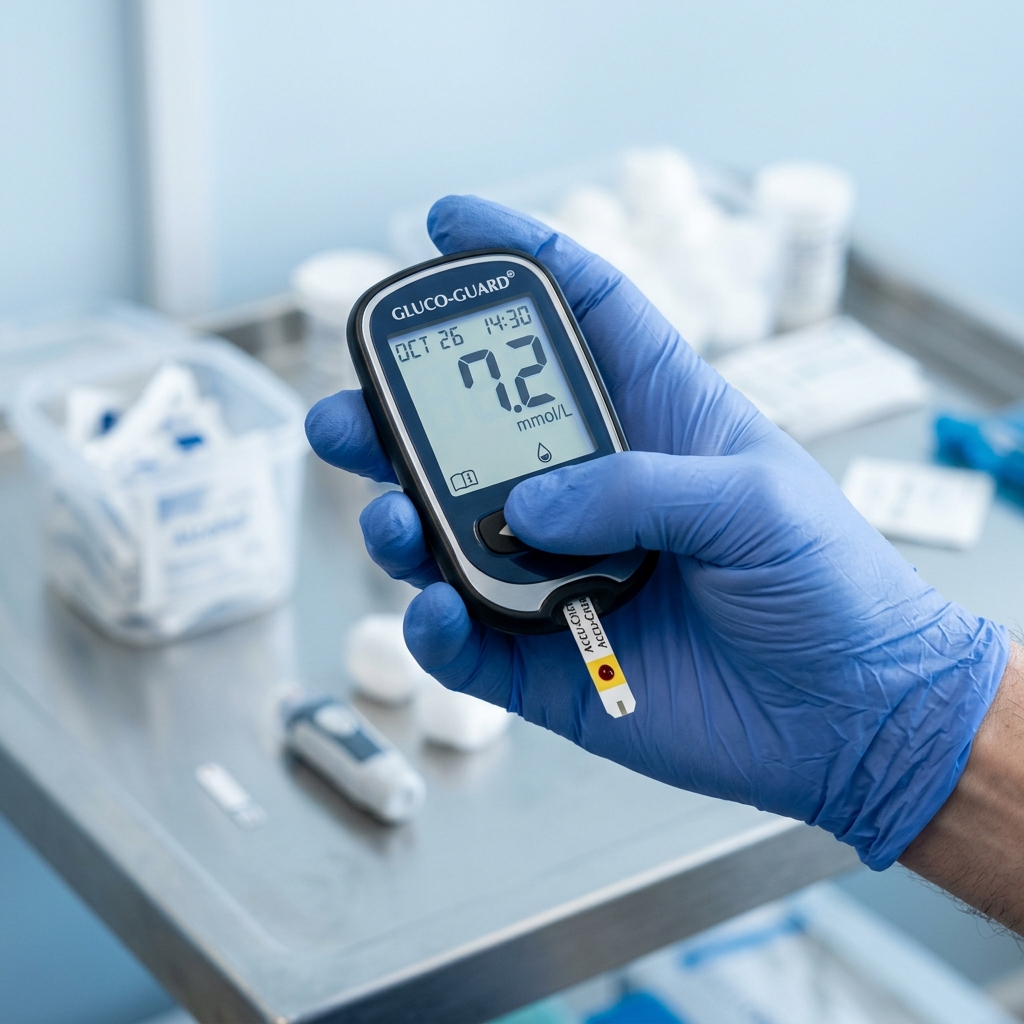
This is the part that gets people killed (slowly). A fasting sugar test only measures your blood sugar at one frozen moment — first thing in the morning, after 10+ hours of not eating. It's the easiest test to "pass" accidentally.
If you skipped dinner, went for a walk, and slept well, your fasting sugar might be a beautiful 95 mg/dL. But what happened after your lunch of chole bhature? Your sugar might have spiked to 180, stayed elevated for 3 hours, and caused damage to your blood vessels — all while your fasting number looked perfect the next morning.
This is exactly why the HbA1c test exists. It measures your average blood sugar over the last 90 days. You cannot cheat it, game it, or fast your way to a good result. If you're only doing fasting sugar, you're flying blind.
The Reversal Window
Here's the genuinely good news: pre-diabetes is a fork in the road, not a death sentence. Multiple large-scale studies have proven that lifestyle changes alone can reduce your risk of progressing to full diabetes by 58%. That's more effective than medication.
The prescription is deceptively simple: lose 5-7% of your body weight (that's just 4-5 kg for most people), walk briskly for 30 minutes a day, and swap one serving of refined carbs for vegetables or dal. That's it. No expensive supplements, no crash diets.
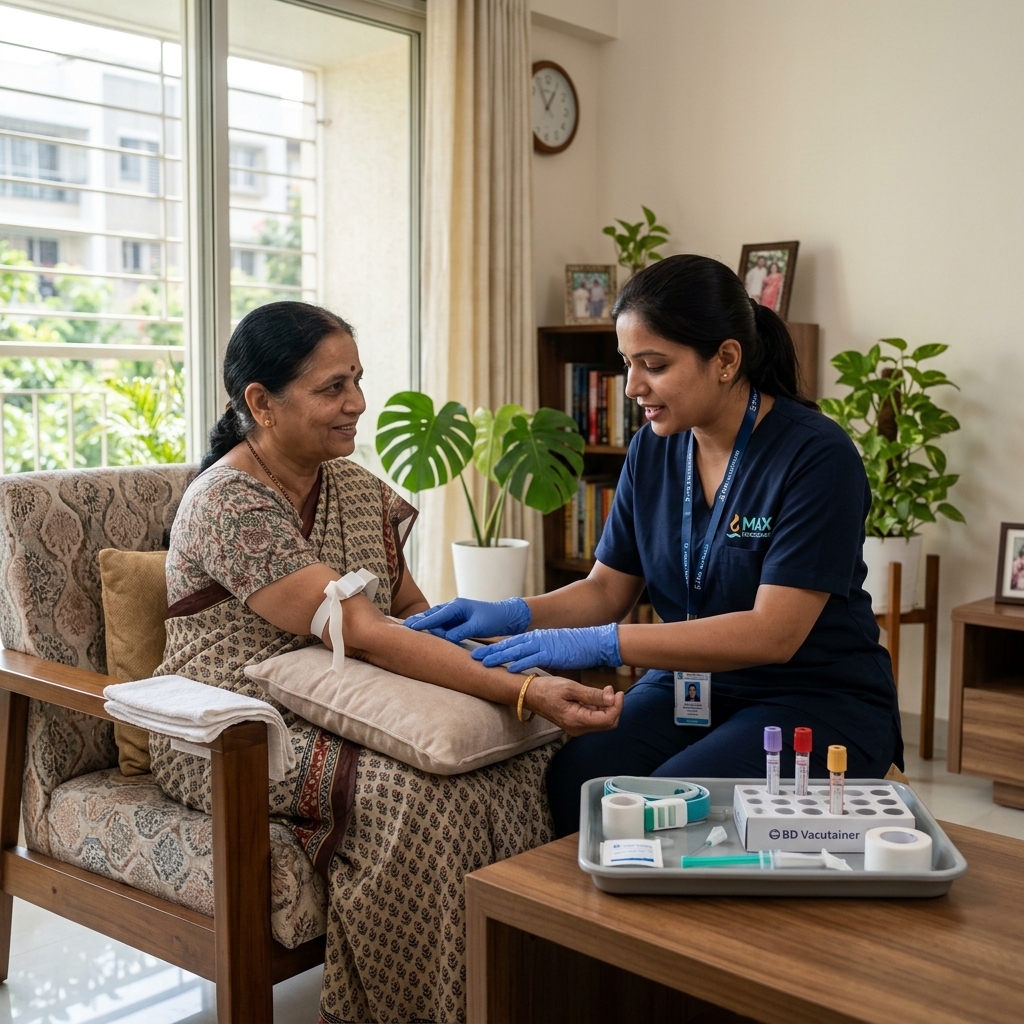
But step zero is always the same: get tested. An HbA1c + Fasting Sugar combo at BookMyPatho takes 3 minutes, needs no fasting (for the HbA1c), and could literally change the trajectory of your health for the next 40 years. We collect at your home across Delhi NCR — report on your phone by evening.