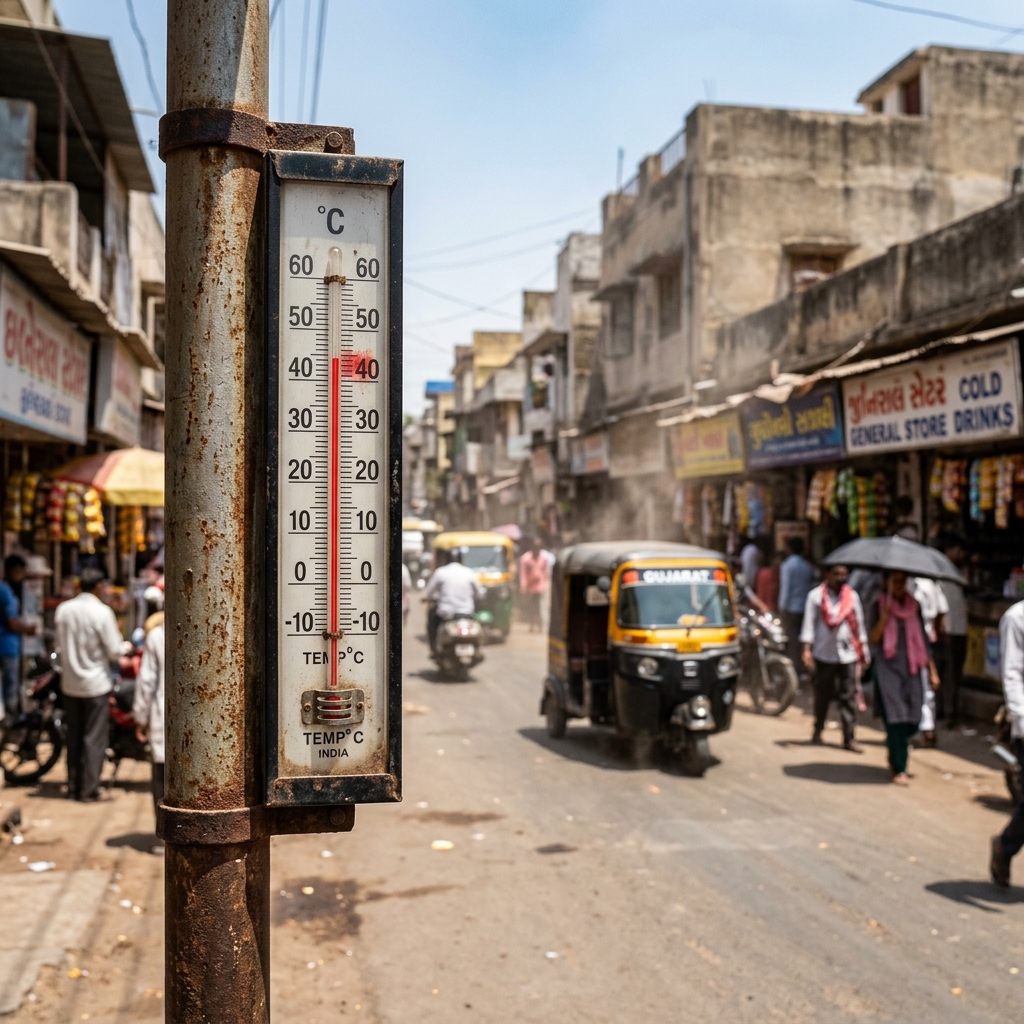
Delhi in May doesn't just get hot. It gets violently hot. The kind of hot where the steering wheel burns your hands, the seatbelt buckle brands your skin, and stepping onto an asphalt road in chappals feels like walking on a tawa. We joke about it, post memes about frying eggs on car bonnets, and carry on.
But heat isn't a joke. India loses hundreds of people to heat-related illness every summer, and Delhi NCR — with its concrete jungle, minimal tree cover, and "heat island" effect — is one of the worst-hit regions. The scary part? Most people can't tell the difference between heat exhaustion (dangerous but manageable) and heatstroke (a genuine medical emergency). That confusion costs lives.
Heat Exhaustion vs. Heatstroke — Know the Difference
| Symptom | Heat Exhaustion | Heatstroke |
|---|---|---|
| Skin | Cool, clammy, heavy sweating | Hot, red, DRY — sweating stops |
| Temperature | Below 40°C (104°F) | Above 40°C (104°F) |
| Mental State | Dizzy, nauseous, weak | Confused, slurred speech, seizures |
| Consciousness | Alert but exhausted | May lose consciousness |
| Action | Move to shade, hydrate, cool down | CALL AMBULANCE IMMEDIATELY |
The critical clue: when sweating stops in extreme heat, that's the danger sign. It means your body's cooling system has completely failed. This is heatstroke, and without emergency treatment, organ damage begins within minutes.
Who's Most Vulnerable in Delhi?
- Outdoor workers: Construction labourers, traffic police, delivery partners — hours of direct sun exposure with minimal breaks
- Children under 5: They can't regulate body temperature as efficiently and often can't communicate that they're feeling unwell
- The elderly: Reduced sweat response, often on medications that impair heat regulation, and may not drink enough water
- Anyone in a non-AC room: Indoor temperatures in Delhi's concrete apartments can exceed 40°C without cooling. Heat illness doesn't require being outdoors.
After a Heat Event: Which Tests to Get
If you or a family member experienced severe heat exhaustion or suspected heatstroke, your body has been through serious stress. Even if you feel "recovered," get these tests done within 48 hours:
- Kidney Function Test (KFT): Heat and dehydration are brutal on kidneys. Elevated creatinine means your kidneys were strained and need monitoring.
- Electrolyte Panel: Severe sweating depletes sodium, potassium, and chloride. Imbalances can cause cardiac arrhythmias even after you feel better.
- Liver Function Test (LFT): Heatstroke can cause liver damage. Elevated SGPT/SGOT after a heat event needs follow-up.
- CBC: Checks for signs of dehydration-induced blood concentration (high haematocrit) and any infection triggered by heat stress.
Delhi Summer Survival Basics
Stay indoors between 12 PM and 4 PM if possible. Wear loose, light-coloured cotton. Drink water before you feel thirsty (thirst means you're already dehydrated). Keep ORS packets at home — they're cheap, effective, and can be life-saving. And if your elderly parent or grandparent lives alone without AC, check on them daily.
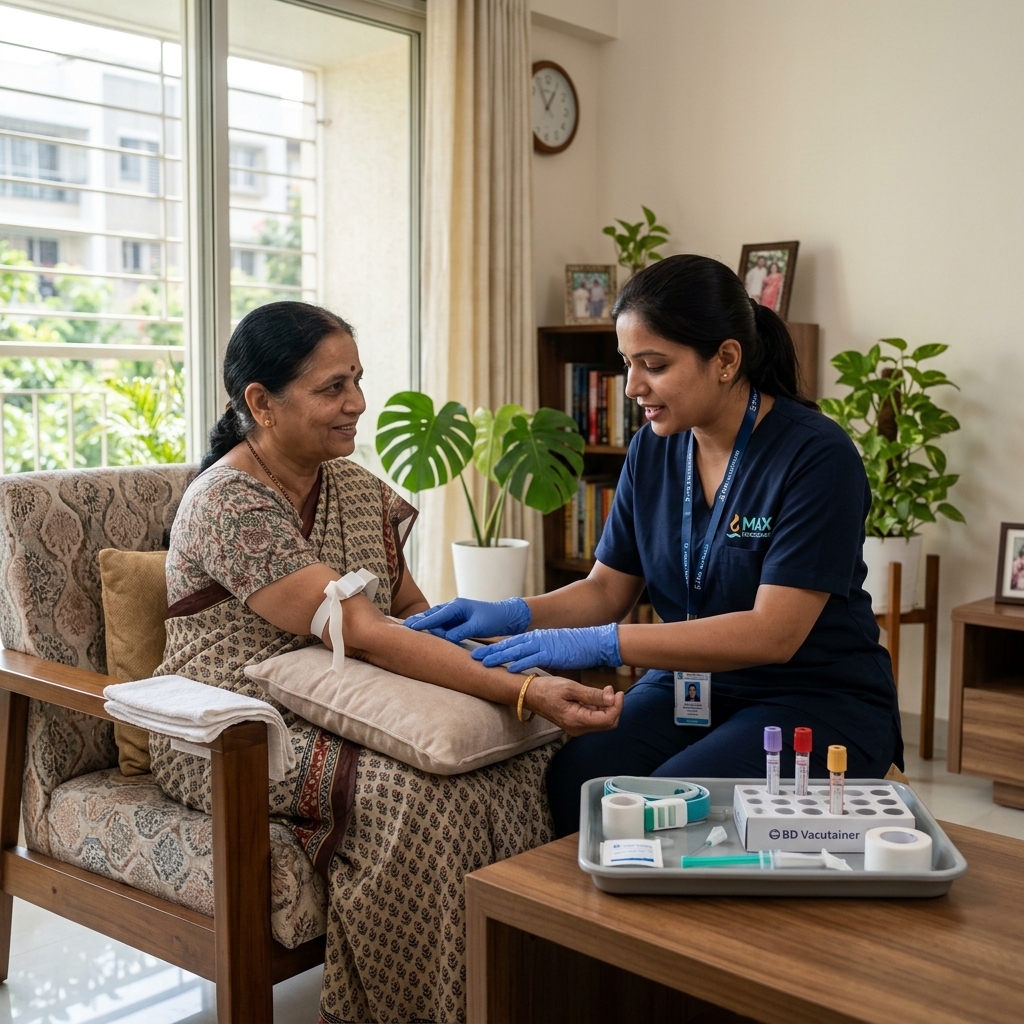
If you've had a rough encounter with Delhi's heat, BookMyPatho's post-heat health panel (KFT + Electrolytes + LFT + CBC) can be collected at your home. No standing in the sun to get to a lab. Report on your phone the same day.