You open your blood report, scroll past the haemoglobin and WBC counts, and there it is — ESR: 42 mm/hr. The reference range says 0-20. Your heart drops. You immediately do what every rational human does in 2026: you Google "high ESR causes" and within 90 seconds you've convinced yourself you have either cancer, tuberculosis, or some autoimmune disease you can't pronounce.
Take a breath. Let's talk about what ESR actually is, because it's one of the most misunderstood tests in Indian pathology — and one of the most commonly elevated.
What ESR Actually Measures
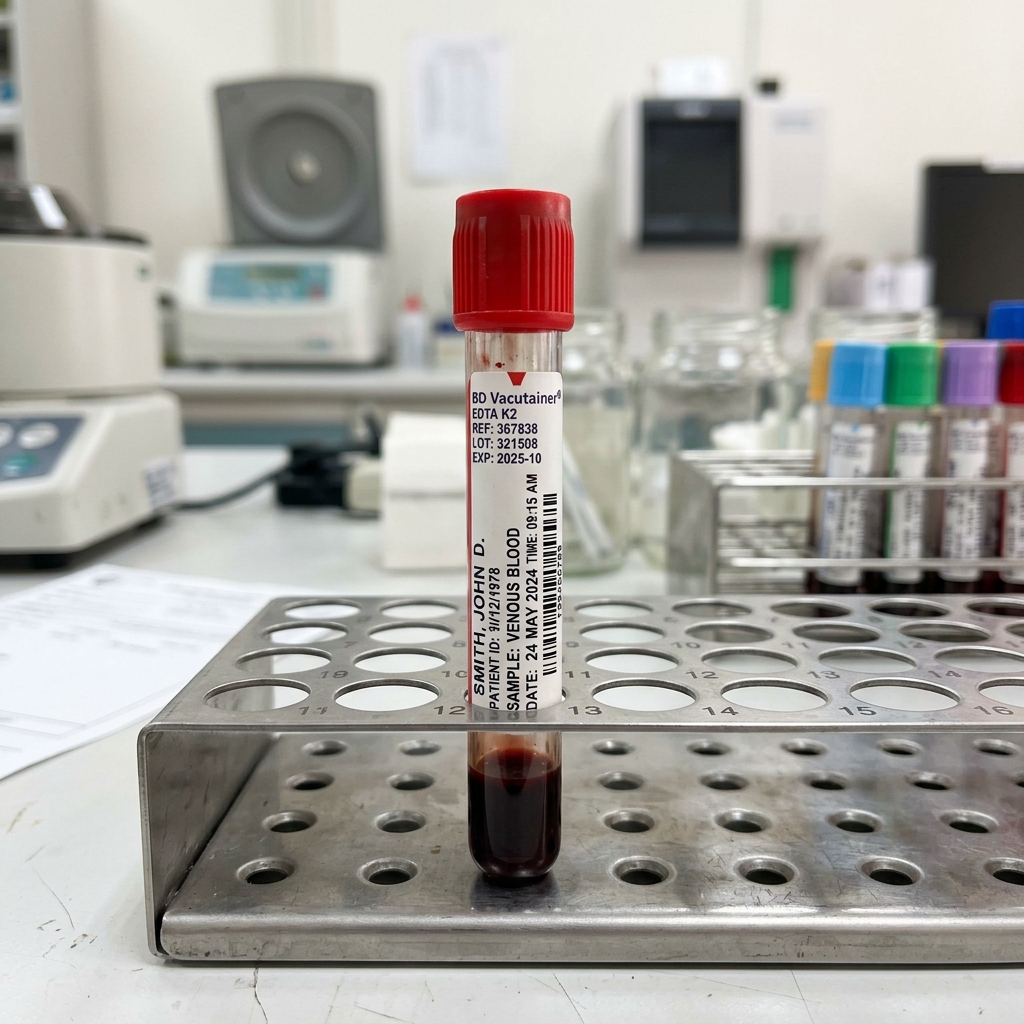
ESR stands for Erythrocyte Sedimentation Rate. In plain language: your blood is placed in a tall, thin tube and left to stand for one hour. Red blood cells naturally settle to the bottom over time. The ESR measures how fast they sink.
When your body is fighting inflammation — any inflammation, from a minor throat infection to arthritis — your liver produces extra proteins (like fibrinogen and immunoglobulins) that make red blood cells clump together. Clumped cells are heavier, so they sink faster. Higher ESR = more inflammation somewhere in your body.
The key word here is "somewhere." ESR doesn't tell you what's inflamed or why. It's like your car's check-engine light — it tells you something's off, but you still need a mechanic to pop the hood and find the actual problem.
Normal ESR Ranges
| Group | Normal Range |
|---|---|
| Men under 50 | 0–15 mm/hr |
| Men over 50 | 0–20 mm/hr |
| Women under 50 | 0–20 mm/hr |
| Women over 50 | 0–30 mm/hr |
Why Your ESR Might Be High (Without Anything Scary Going On)
Before you spiral, here are the most common, completely mundane reasons for an elevated ESR in India:
- You had a cold or viral fever last week. ESR can stay elevated for weeks after even a minor infection has cleared.
- You're a woman on your period. Menstruation naturally raises ESR.
- You're pregnant. ESR routinely doubles or triples during pregnancy — completely normal.
- You're overweight. Obesity causes low-grade chronic inflammation, which bumps up ESR.
- You're over 60. ESR creeps up with age. A 65-year-old with an ESR of 28 is often perfectly fine.
When High ESR Actually Matters
Your doctor will take a high ESR seriously if it's accompanied by other symptoms: persistent joint pain (rheumatoid arthritis), unexplained weight loss, night sweats, or prolonged fevers. In those cases, ESR acts as a useful tracking tool — if you start treatment and your ESR drops, it means the treatment is working.
A single elevated ESR reading with no symptoms? Your doctor will almost certainly tell you to retest in 4-6 weeks. Most of the time, it quietly normalises on its own.
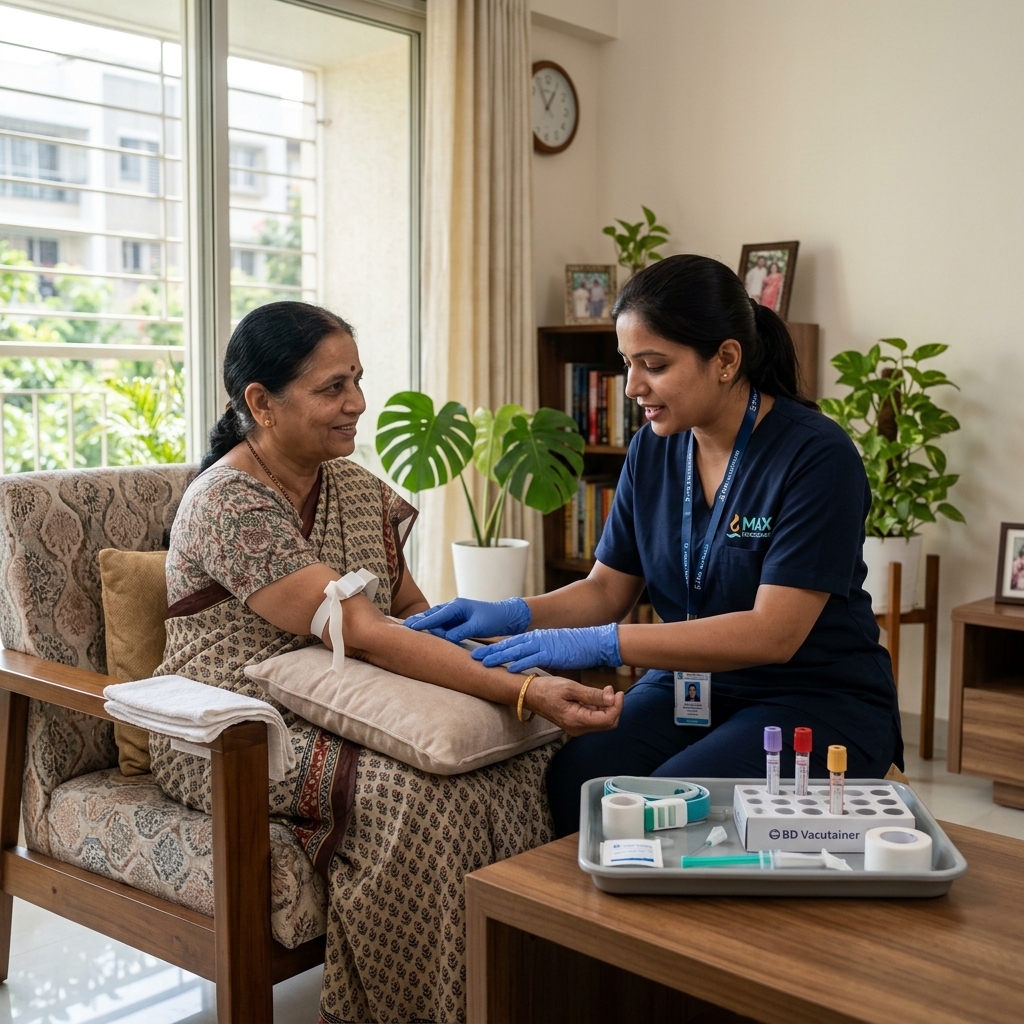
At BookMyPatho, an ESR test is quick, affordable, and collected at your doorstep. If your report has you worried, get it rechecked without the hassle of a clinic visit — our phlebotomist comes to you.